
It is late, and you meant to look up one thing. Twenty minutes later you have watched a morning routine from a man who wakes at four, saved a thread on seven habits of the wealthy, bookmarked a diet that contradicts the one you read yesterday, and learned that you should also be building a personal brand. You feel informed and exhausted at once. The thing you came to find is somewhere behind all of it.
That is the strange condition of our time. Never has there been so much advice on how to be good, healthy, rich, or famous, and never have so many people felt so unsure of where to begin.
The problem is not a lack of information
For most of history, the hard part was finding knowledge. Now the hard part is surviving it. Every platform rewards the loudest and most confident voice, and every voice promises that this is the secret you’ve been missing. Much of it contradicts the rest, and a lot of it is aimed at keeping you watching rather than helping you change.
The effect on us is quiet but real. We start collecting instead of doing. Reading about a new habit feels like progress, so we feel a small reward without having taken a single step. We compare our beginning to someone else’s polished middle. We switch methods every few weeks, because a better one is always one scroll away. After a while we are not building anything. We are just sampling.
There is a name for the trap: more input, no direction. And more input never fixes it, because the missing piece was never information. It was a decision.
Start with what you actually want
Before any method, tool, or program, one question has to come first: what do I want? Not what looks impressive, and not what the feed suggests I should want.
This is harder than it sounds. Much of what we chase was handed to us. The body, the income, or the following we think we want may belong to someone else’s picture of success. A useful test is to ask:
- If no one could ever see it, would I still want this?
- Do I want the result, or the feeling I imagine it brings? (Often the feeling can be reached in other ways.)
- What would “enough” look like? Without an answer, every goal quietly turns into more.
Write the answer in one plain sentence. “I want to be able to walk three miles without getting winded.” “I want six months of savings.” “I want to write regularly and share it with a few readers.” A clear, modest, honest goal beats a grand, blurry one every time.
Then ask how, once, from a few good sources
Now, and only now, go looking for the way. Pick two or three sources that are credible, practical, and aimed at your actual goal, and decide that this is your research. Everything else, however tempting, goes into the “later” pile.
A few filters help:
- Prefer people with a track record over people with a following.
- Be wary of anyone promising speed, secrets, or certainty.
- Look for the boring common thread. Real advice in any field tends to be unglamorous: consistent effort, basic foundations, patience.
- Choose one method and stay with it long enough to learn whether it works for you. A mediocre plan followed for six months beats a perfect plan abandoned in two weeks.
Give it a timeline
A goal without a timeframe is only a wish. A timeline does not need to be harsh. It simply turns a vague hope into something you can walk toward.
Work backward from the date. If you want to run a 5K in four months, what should month three look like? Month two? What does this week need to contain? A timeline should be honest about your actual life, with its work, family, and tiredness, rather than built for an imaginary person with unlimited free time. It is better to plan for slower and arrive than to plan for faster and quit.
Attack it with baby steps
Here is the heart of it. Big goals are built the way big buildings are, one small piece at a time, and the pieces are usually dull when seen alone. A ten-minute walk. Fifty dollars set aside. Two hundred words written. One conversation held.
Baby steps work for reasons that are easy to forget:
- They fit inside real life, so you actually do them.
- They build the habit before demanding the results. Stamina comes first, and speed comes after.
- They give frequent small wins, and small wins fuel motivation more reliably than willpower does.
- They are hard to fail, which keeps you in the game when a bad week hits.
The surprising thing is how far small doses go. A little each day compounds in ways a single heroic effort cannot. Over months, the person who did a small thing consistently is far ahead of the person who started with fireworks and disappeared. Greatness, when you look closely at it, is mostly a long stretch of ordinary days repeated.
Build in checkpoints
Moving without checking is just drifting. Set a few moments, perhaps every two weeks or every month, to pause and ask honestly:
- Am I doing the small steps I planned? (If not, make the steps smaller, not the guilt bigger.)
- Is there any evidence of progress? Even faint evidence counts.
- Is the plan still fitting my life? Adjust it if it isn’t.
- Do I still want this goal? Sometimes the honest answer changes, and that is allowed.
- What is one thing to change before the next checkpoint?
Checkpoints are not exams. They are the equivalent of glancing at the compass. If you are slightly off course, a small correction early costs almost nothing, while the same drift left alone for a year costs a great deal.
The witness in the noise
This is where Turiya becomes practical. The witness is the quiet awareness that watches the flood of opinions, comparisons, and urgent-sounding advice without being swept away by it. From that seat, you can notice, I feel behind. I feel pressure. I feel the pull to try the new thing, and see these as passing movements in the mind, not instructions you must obey.
That small distance is what makes choosing possible. Without it, every post feels like a verdict on your life. With it, you can read a thing, take what is useful, leave the rest, and return to your own plan without drama.
A word of balance
“Everything is achievable” is a hopeful idea, and mostly a true one when it means that far more is within reach than we believe. But it is not a promise. Some outcomes depend on health, luck, timing, and circumstances beyond our control, and pretending otherwise adds shame to the disappointment. Aim for the part that is yours to do, which is the steps, the consistency, and the honest adjustments. Hold the result with an open hand.
Also be careful that goal-setting doesn’t become a new source of pressure. You are not a project to be optimized. If a goal begins to crowd out joy, rest, or the people you love, it may be time to revisit it.
An invitation
Tonight, before you scroll again, take a single sheet of paper and answer four things:
- What do I want? (One plain sentence.)
- How will I go about it? (Two or three sources, one method.)
- By when? (A date, and the rough shape of the months in between.)
- What is the smallest step I can take tomorrow? (Small enough that it feels almost too easy.)
Then put the phone down and take that step. Mark a checkpoint on the calendar, two or four weeks from now.
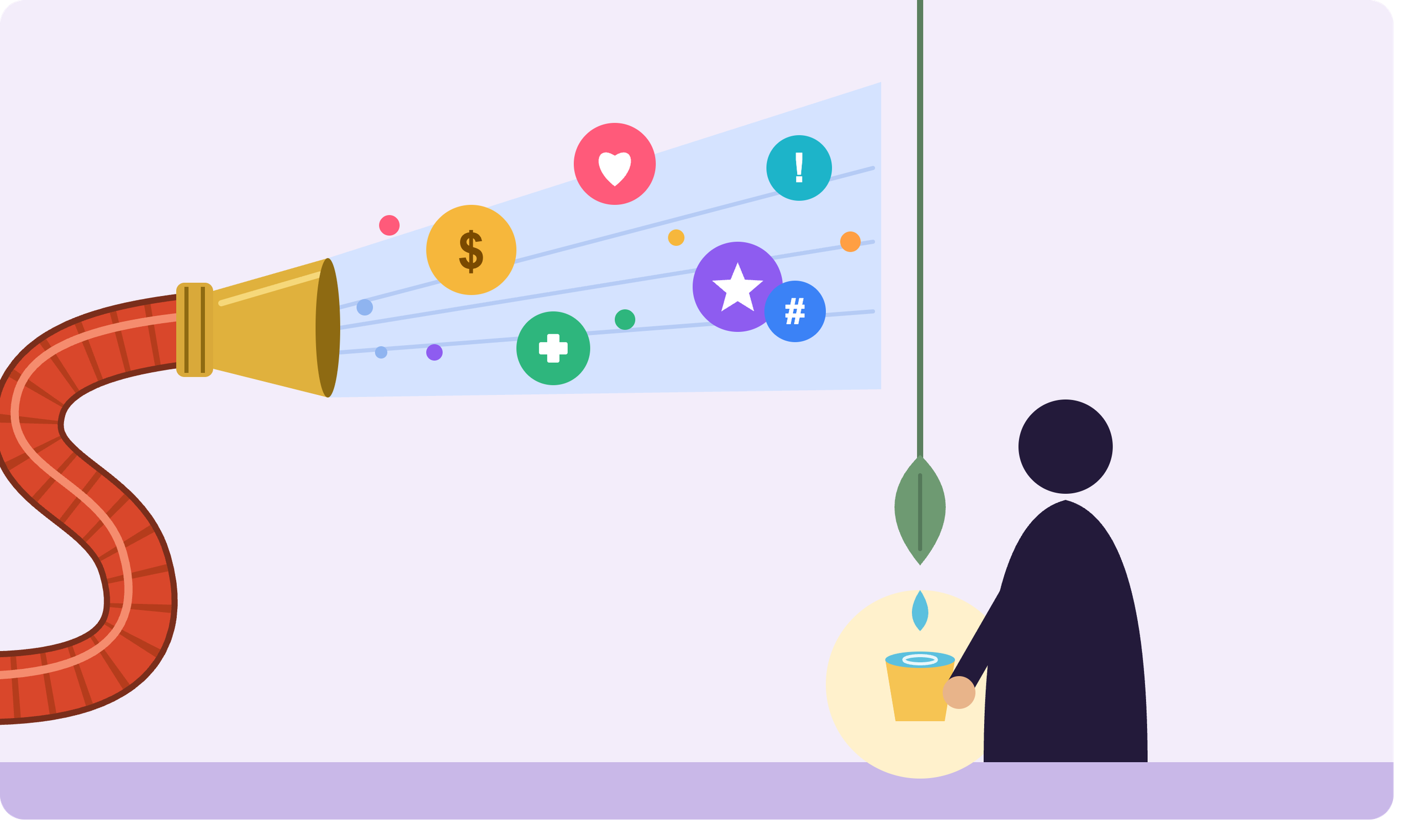
You don’t need more information. You need a direction, a pace, and a little patience. The cup fills one drop at a time, and the firehose, however loud, was never meant to be drunk from