
For a long time, I believed that the way to a good life was to pick one thing and give it everything. Grades, a career, a goal, whatever seemed important enough to justify the sacrifice. Focus felt like wisdom, and everything else felt like a distraction.
I’ve since come to see it differently. A life lived through one narrow window is a life only half-seen. And I now think the real purpose of living is to experience it in its fullness: the people, the failures, the quiet moments, and the joy.
When One Lane Becomes a Hiding Place
I’ve watched people I admire do this, and I’ve done a version of it myself. You throw yourself into one pursuit so completely that nothing else gets room. At first it looks like discipline. But if I’m honest, it can also be a way of hiding.
It’s easier to work late than to sit with an uncomfortable feeling. It’s easier to perfect a skill than to risk being rejected by another person. When we pour ourselves into just one thing, we often avoid the harder, messier parts of being alive: vulnerability, rest, uncertainty, and not knowing who we are when we’re not achieving anything.
Life has so many parts: learning, work, family, friendship, play, health, creativity, reflection, and solitude. When we neglect some, the others don’t get stronger. The whole thing just leans. I’ve come to believe that the person who is brilliant at their craft but absent from their relationships hasn’t won. They’ve only postponed the bill.
Fullness Doesn’t Mean Recklessness
I want to be careful here, because I’m not saying we should taste everything and chase every impulse. Living fully without balance is just chaos, and freedom without responsibility is just drifting.
What I’m learning is that balance means saying yes to adventure and yes to obligation. It means going to the gathering and still finishing the work, taking the risk and still having a plan, chasing ambition and still protecting your health. Responsibility isn’t the enemy of enjoyment. It’s what lets you enjoy things without wrecking what matters.
Youth Deserves Care, and Joy
Youth is when so much takes root: our habits, our beliefs, our sense of who we are. That’s why it deserves care. Choosing good influences, building discipline, and protecting the future all matter.
But I don’t think a well-protected youth should be a joyless one. If every hour is optimized and every risk removed, a young person can arrive at adulthood perfectly prepared and strangely empty. Some of the most important things I’ve learned came from the things that didn’t “go anywhere”: a hobby I dropped, a friendship that taught me something painful, a failure that stung for a while. I used to think those were detours. Now I think they were the growth itself.
I’d want any young person to have a youth that is careful enough to protect their future and rich enough to look back on with gratitude.
Knowing Yourself Early
If I could hand one thing to my younger self, it would be self-understanding. Knowing what you’re good at, where your limits are, what triggers you, what you value, and what you truly want shapes every decision that follows, from the work you choose to the people you let close.
And it doesn’t stop with us. We’re all links in a chain. What we haven’t faced in ourselves tends to travel to the people we love. The person who never understood their need for control can become a suffocating parent. The person who never confronted their insecurity can become a difficult partner. This is why I no longer see self-knowledge as self-indulgence. It’s a way of caring for everyone we’ll eventually touch.
But you can’t really know yourself if you’ve only ever seen yourself in one light. It takes honest reflection, a willingness to hear hard feedback, and enough varied experience to learn what fits and what doesn’t.
To Parents: Guide, Don’t Direct
This part is close to my heart, and I say it with real respect for how much parents love their children.
I became a better parent when I stopped asking, “What is my child naturally good at?” and started asking, “What has my child not yet had the chance to discover?” So I made my kids try things that weren’t in their grain: activities they would never have picked, subjects they assumed weren’t for them, situations that made them uneasy. They didn’t always like it, and neither did I in the moment. But I wasn’t trying to decide who they would become. I was trying to make sure that fear didn’t decide for them.
That, I think, is the difference between guiding and directing. Directing says, “You will be this, and you will do that.” Guiding says, “Try it. See what you think. Then tell me.” Exposure widens a child’s world, while control shrinks it. A child who has tried many things can choose with confidence. A child who has avoided them chooses out of fear, often without knowing it.
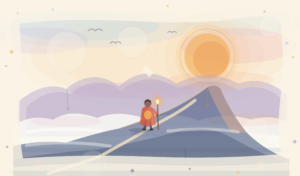
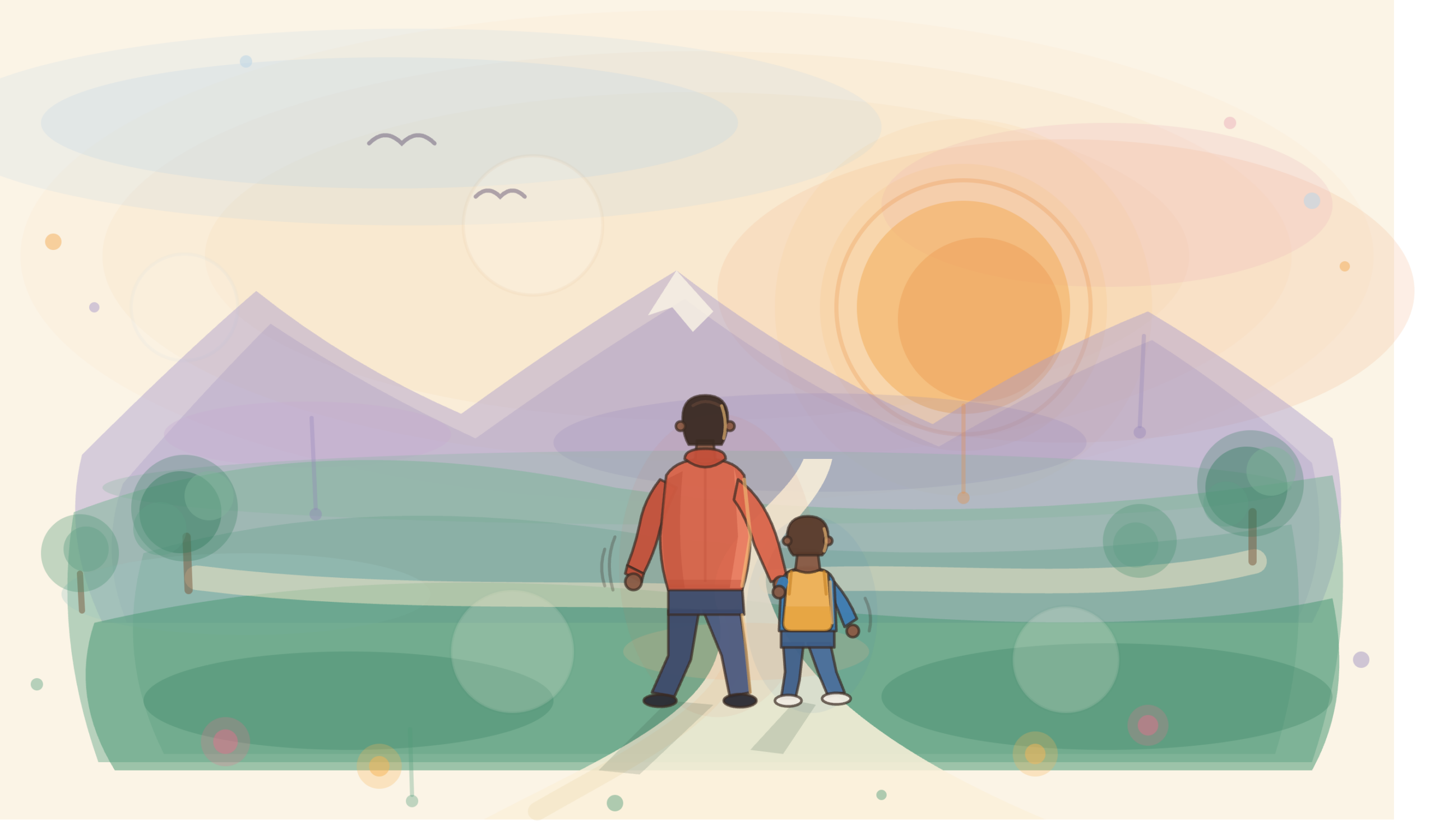
A good parent is like a guide on a mountain trail: pointing out the path, sharing what they’ve learned, warning about the cliffs, and sometimes nudging the traveler toward a view they would have skipped. But the traveler still walks, and the final choices have to be theirs. Mistakes made under a parent’s forgiving eye are far cheaper than the ones made later, alone, with no practice.
The test is whether the push leaves room for the child’s own voice. If a child tries something and says, “This isn’t for me,” a good parent listens. The goal was never to produce a particular kind of person, only a person who knows they have options and the courage to choose among them.
Where I’ve Landed
A good life, I now believe, is neither a straight sprint toward one goal nor an aimless wander. It’s a curious, deliberate engagement with all of it: the work and the rest, the discipline and the delight, the duties and the freedoms.
What I’ve learned most clearly, through my own life and through raising my children, is that fear is a poor guide. It narrows our choices while making them feel like preferences. “I’m just not good at that” and “that’s not for me” are often fear in disguise. The antidote isn’t recklessness. It’s exposure: trying things, meeting people, and failing safely enough to learn from it, so that the choices we eventually make are truly our own.
So if you’re young, I hope you’re guided with care and given room to find yourself, and I hope you’re brave enough to step into things you’d normally avoid. If you’re a parent, I hope you’ll widen your child’s world rather than shrink it, nudging them toward what they haven’t yet seen and then trusting them to choose. And for all of us, I hope we do the quiet work of understanding who we are, because the people around us, and the ones who come after, will live with the results.
Don’t hide in one corner of your life. Step into all of it, wisely, responsibly, and fully awake.